

STORA SKUGGAN
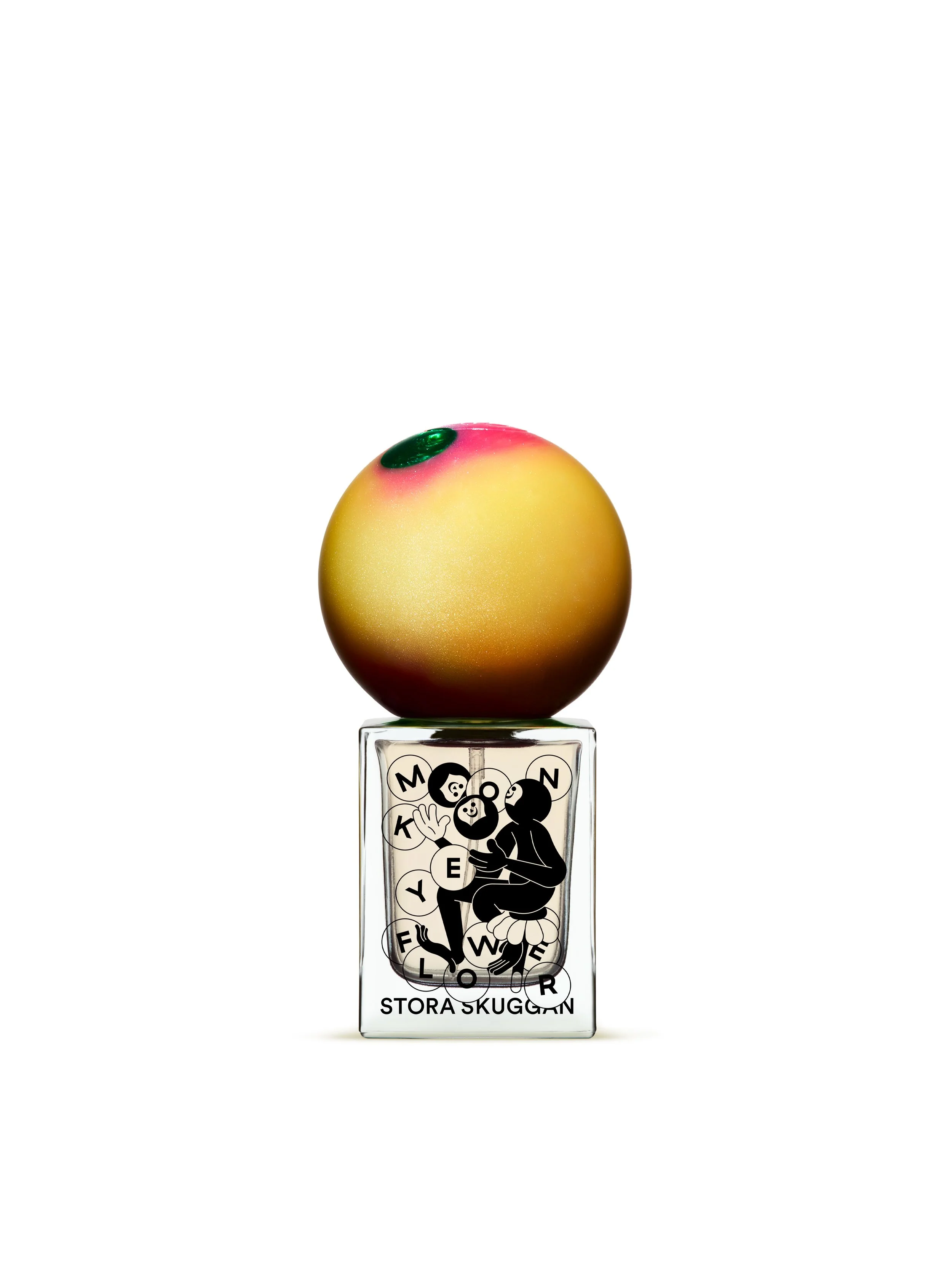
The Musk Monkeyflower once so famous for its luminous scent it was simply called The Common Musk arrived in Europe from the American West Coast with sunshine trapped in its petals. Sun-yellow blooms, perched on fuzzy, sticky stalks, brightened meadows and the shoulders of old dirt roads.
Victorian England fell for it. The Monkeyflower’s deep, warm musk became a sensation, migrating from botanical salons to London street hawkers and the windowsills of country cottages. For nearly a century it scented parlors and pavements alike.
Then, as the twentieth century turned, the perfume vanished. Not just cultivated specimens wild populations in North America were reported scentless too. The loss baffled botanists and fueled decades of whispered theories, from earnest science to outright conspiracy, but no satisfactory answer ever emerged.
Interest waned, the houseplant faded from popularity, and the mystery slipped into botanical footnote. Still, the flower endures in pockets of Europe and New Zealand, living quietly in hedgerows
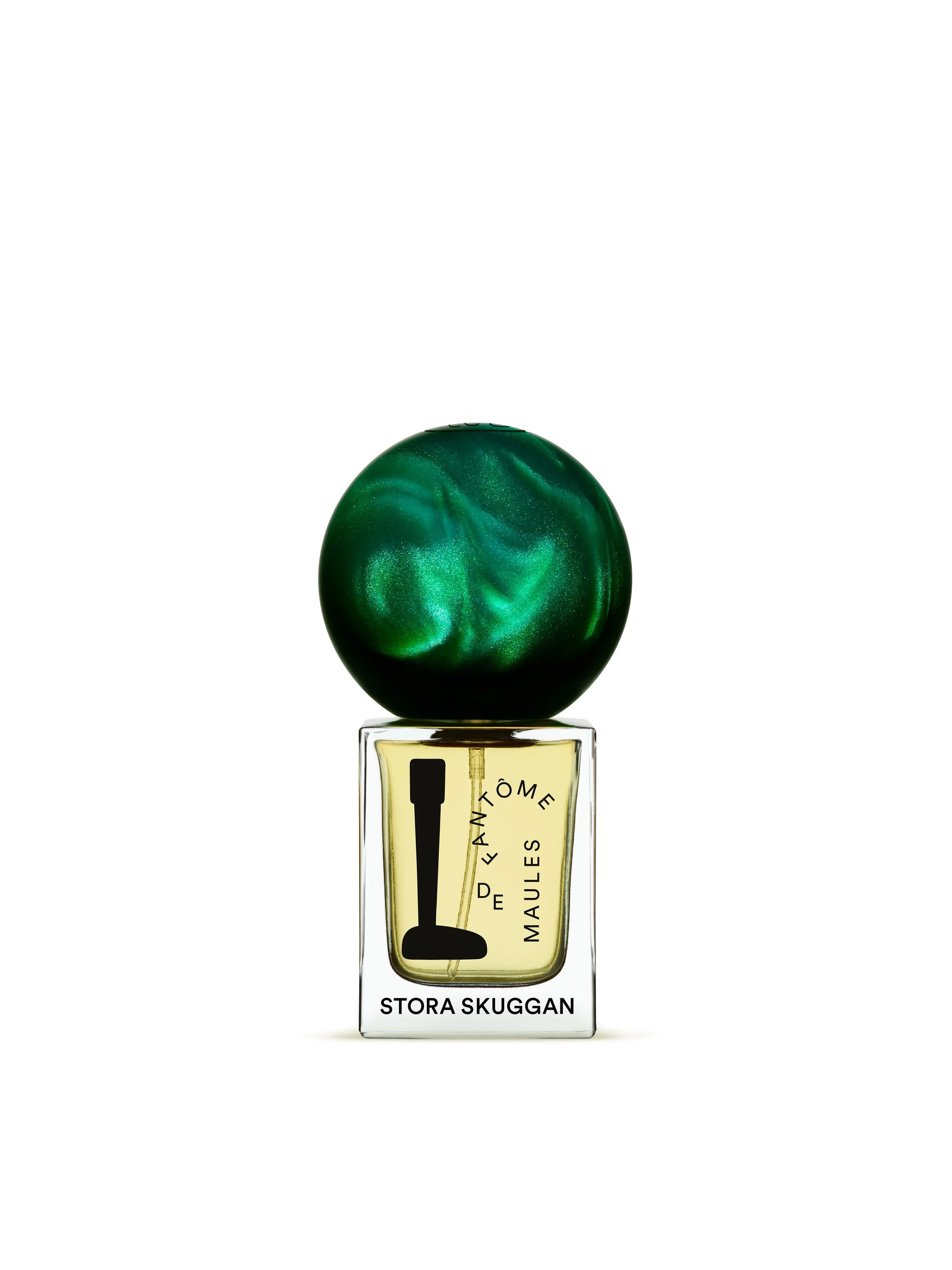
Fantôme de Maules who is he really?
In the heart of Maules, a French-speaking village ringed by cultivated fields and dense forests, an unusually tall figure has wandered for a decade. First noticed for his height nearly two meters then for his garb: a worn camouflage cape and a mask from another age. Is he human? No one knows. His behavior, however, is strikingly gentle: he lingers among the flowers, gathering and inhaling the flora as if committing each scent to memory. Sensitive to sound, he freezes, absorbs, then vanishes at the slightest crack of a branch or tremble of a leaf.
Locals call him Le Loyon; he calls himself Fantôme de Maules the ghost of the village. Phantom, because he chooses the shade. Of Maules, because the forest belongs to him as much as to those who cross it. Who is he really? A recluse who turned his back on society? A survivalist preparing for a world not yet come? Perhaps. Or simply a being who has chosen silence as his only luxury.
This mystery captivates. In an era when information ignites everything and shadows shrink, encountering someone who refuses explanation is rare and disquieting. Fantôme de Maules offers no story; he imposes a presence. His refusal to reveal himself feeds the legend as much as his tender gestures toward nature. That may be the key: he protects something a memory, a sanctuary, a way of being and it is this refusal to surrender that makes him at once unsettling and magnetic.
STORA SKUGGAN, 2015
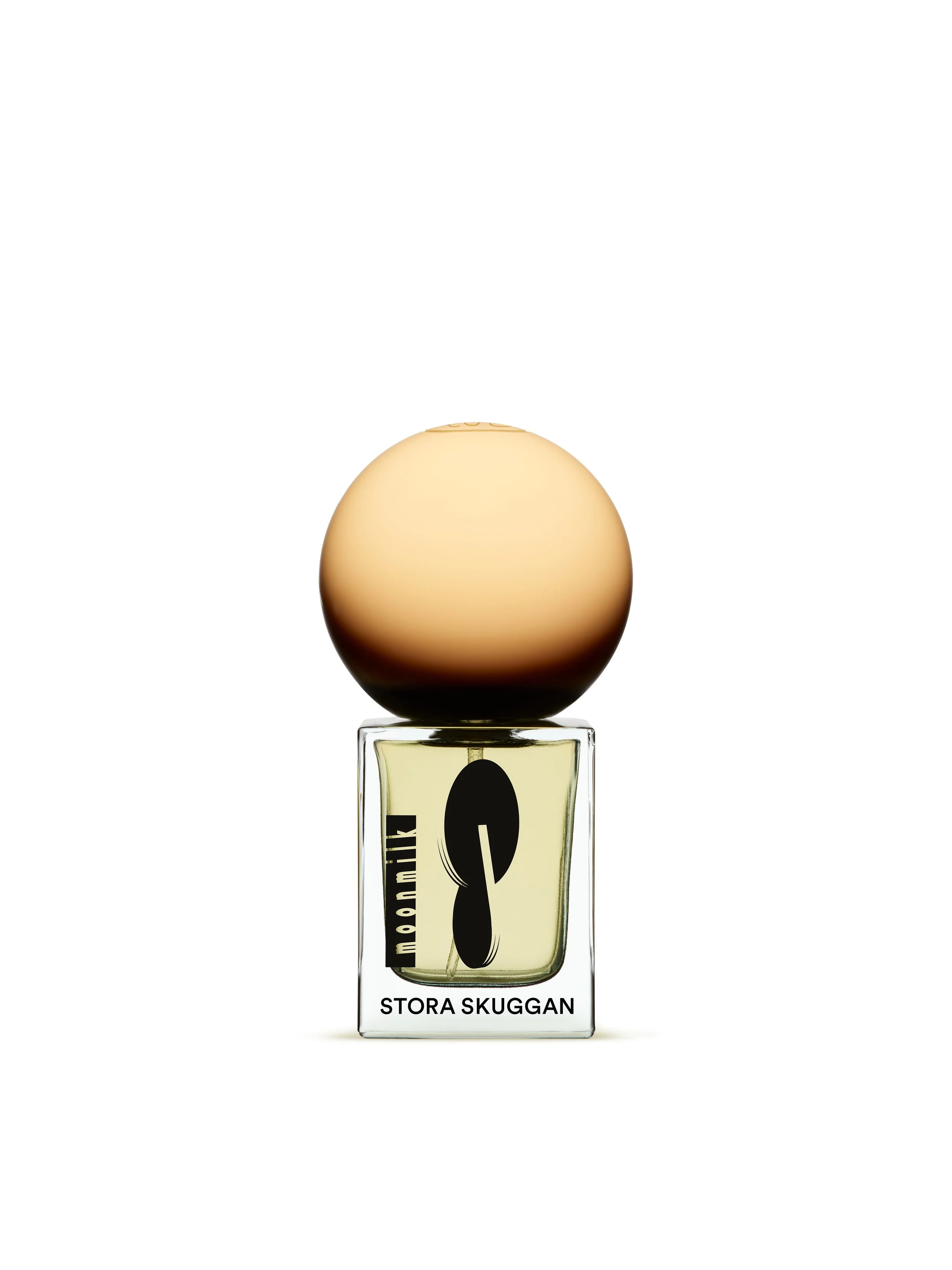
Conrad Gessner the Swiss naturalist who seed‑planted modern zoology was, in true Renaissance fashion, many‑sided: physician, botanist, linguist, and intrepid spelunker. In his 1555 Descriptio Montis Fracti sive Montis Pilati he recounts the ascent of Mount Pilatus and, more arrestingly, the hushed interior of its caves. By moonlight the cavern is transformed: silver pours in like a shaped mist, pooling along the ceiling and setting limestone stalactites alight. They weep slow, luminous droplets that fall into forever‑damp basins on the rockmoonmilk, a pale, otherworldly secretion that keeps the cave from ever quite drying.
“
“Like trying to catch smoke with your bare hands.” Bem, Harry Potter and the Prisoner of Azkaban
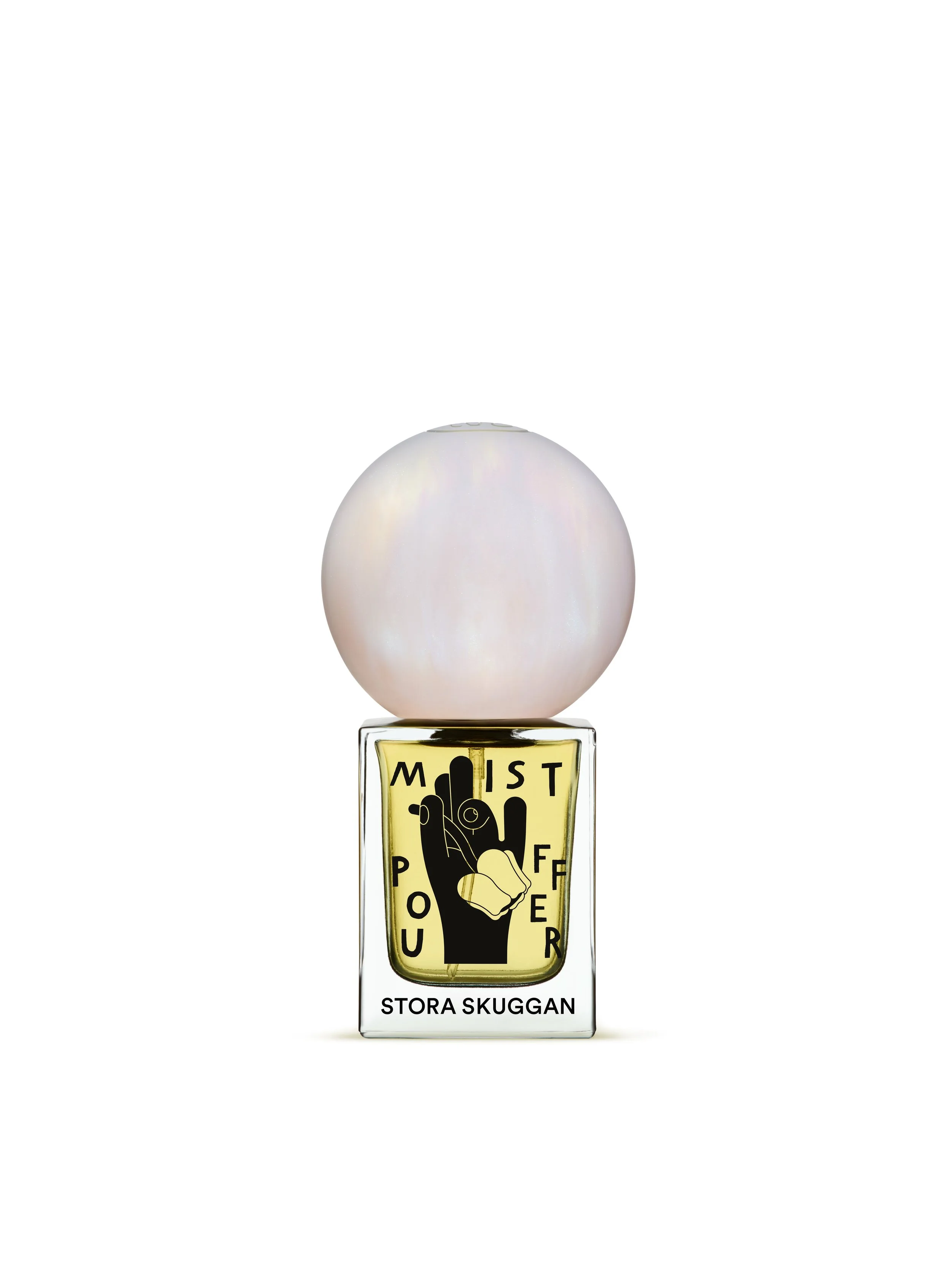
A Mistpouffer is an inexplicable natural sound: a distant, cannon-like boom rising out of fog over wide lakes and rivers. Recorded across cultures and centuries, it has seeded countless legends. In Japan it is called uminari “cries from the sea.” In Connecticut, Machimoodus State Park takes its name from the Native term meaning “place of bad noises.”
Science has tried to pin the phenomenon down, but no single source has been confirmed. Theories range from atmospheric resonance driven by solar winds, to subterranean tremors, to pockets of gas released from depth. Others whisper of extraterrestrial visitors or hidden civilizations beneath the waves. The Haudenosaunee Iroquois told early settlers the booms were the Great Spirit’s ongoing work shaping the earth.
Bottling that mystical water-thunder proved as elusive as the sound itself. Over four years and hundreds of iterations, we chased a balance that reads distinctive yet inexplicable: foggy without feeling aquatic, smoky without weighing the senses, rooted in nature yet touched by the supernatural.
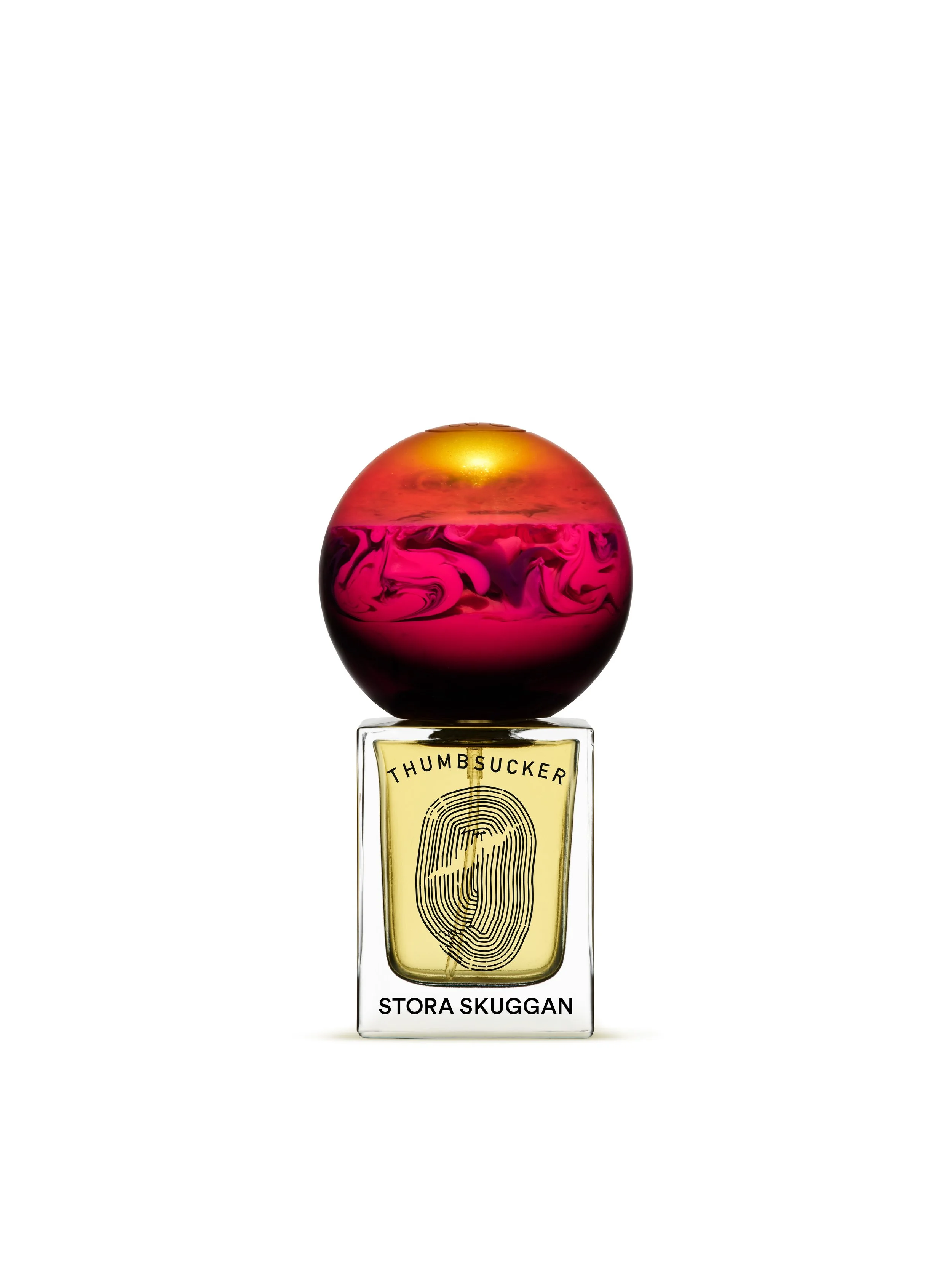
“Me he shall suck” - Indra, King of Gods
An age when kings still walked like legends: Yuvanaswa, sovereign of uncounted wealth, wrapped in favour and many queens yet bereft of the one treasure he craved above all, an heir. The wise Bhrigu, keeper of strange remedies, consented to craft a potent draught. The devout king arranged a solemn, fragrant rite that filled the air with smoke and song; days folded into nights until Yuvanaswa, spent and parched, wandered like a man between worlds.
He found a pitcher, cool and beckoning, and drank it all. The pitcher, unseen and
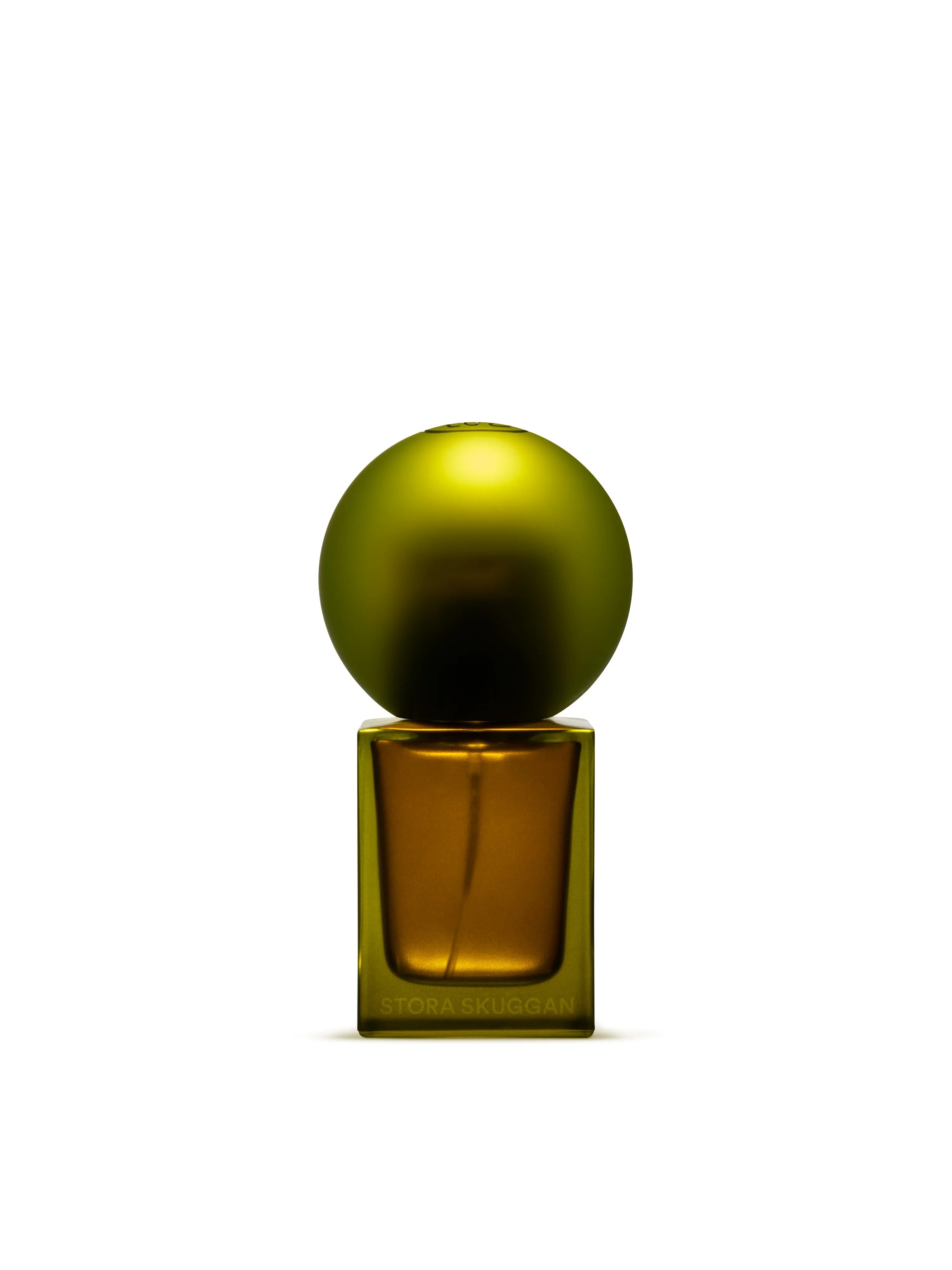
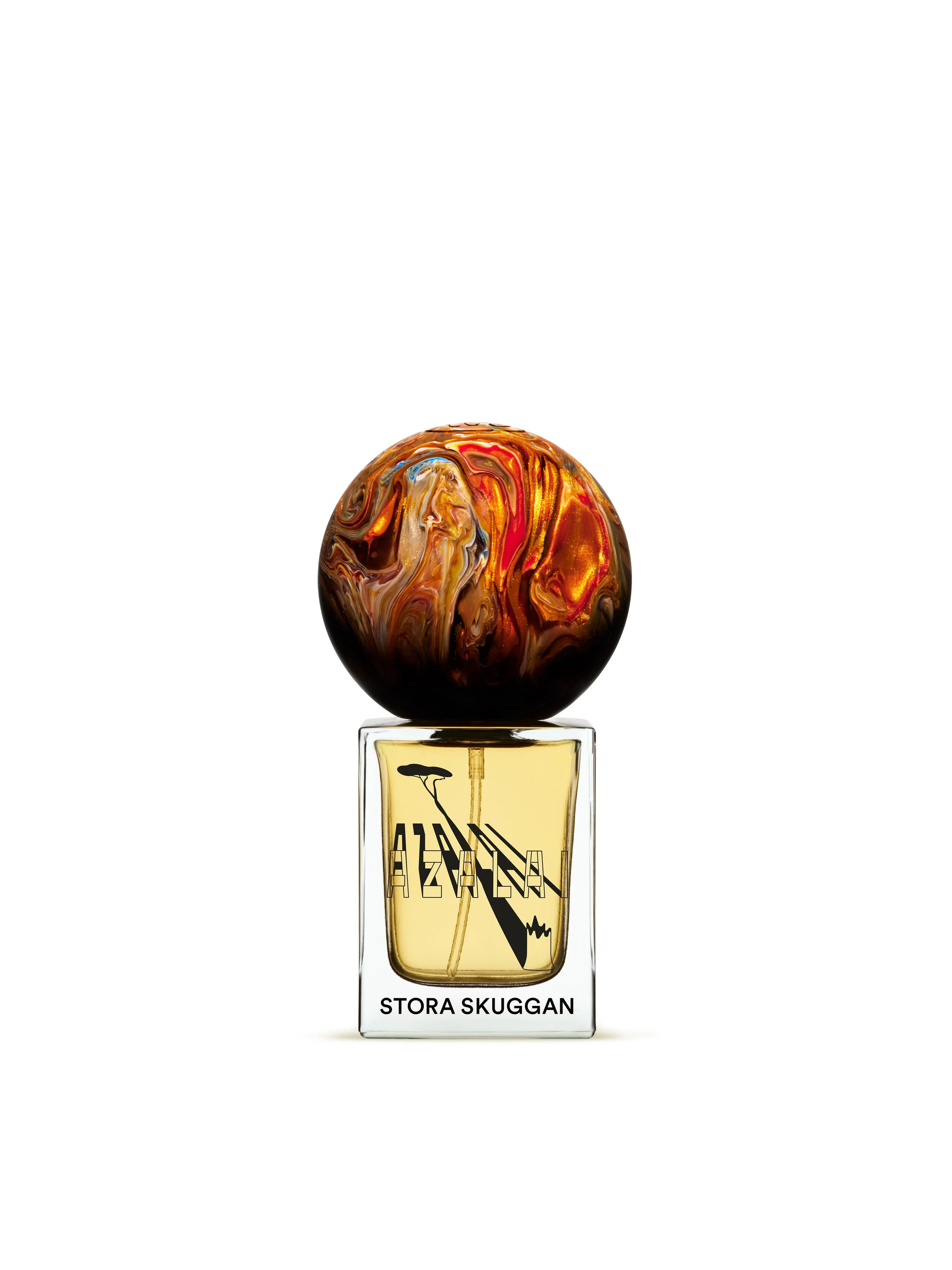
The Azalai
In the ocean of sand, one silhouette held its own against erasure: the Tree of Ténéré a single acacia standing sentinel over a thousand years of caravans. Its roots drank a hidden reservoir more than 30 meters down, a stubborn lifeline in a landscape of denial. To the Tuareg riders who traced the Azalai, it was more than landmark: a sacral compass, a lesson in endurance. To break it was sacrilege. In 1973, a drunken truck ended that pact; the last leaf fell, but the story did not.
Olfactory impression: gold. Topnotes open with radiant saffron woven through the bright, sanguine lift of blood orange citrus light pressed into spice. The heart is a glossy, intimate accord of velvione musk: warm, tender, like the memory of warming a forehead against a sleeping child. Gum acacia syrup lends a honeyed, gourmand sweetness that is never cloying, counterpointed by saline amber and a slow, resinous incense that keeps the composition anchored to the desert’s mineral air. A cool thread of mint tea and a scatter of dried fruit pay quiet tribute to the caravans the human warmth and provisions that made survival possible across the dunes.
Wear it as a statement of resilience: radiant yet austere, sumptuous but disciplined. The Azalai is a fragrant monument an elegy and an anthem carrying the bitter-sweet, sunlit memory of a tree that guided people through sand and time.

“Even a single taste uplifts the whole body and breathes a robust, healthful aroma.” Pedanius Dioscorides, ca. 70 BC
Silphium, likely a member of the Ferula family, once thrived around Cyrene in present-day Libya. In antiquity it was treasured as spice, medicine, and perfume celebrated by Greek philosophers, Roman emperors, and cooks alike. Attempts to cultivate it failed; Silphium flourished only in a narrow coastal range. Its rarity, paired with unmatched culinary and therapeutic virtues, made it the planet’s most coveted spice, eclipsing saffron and cinnamon. Relentless demand drove it to extinction, and its singular scent and flavor vanished into history.
At Pocket O’ Posies, we resurrect that lost legend. Our interpretation is built from careful study of Silphium’s presumed botanical kin and the artful use of aromachemicals the molecular building blocks of scent to craft an accord that echoes surviving descriptions. We set this reconstructed heart against a backdrop of ancient incense, whispering woods, and worn leather, creating a bold, archival fragrance that channels a vanished world. Join us in reclaiming a scent that time thought lost.
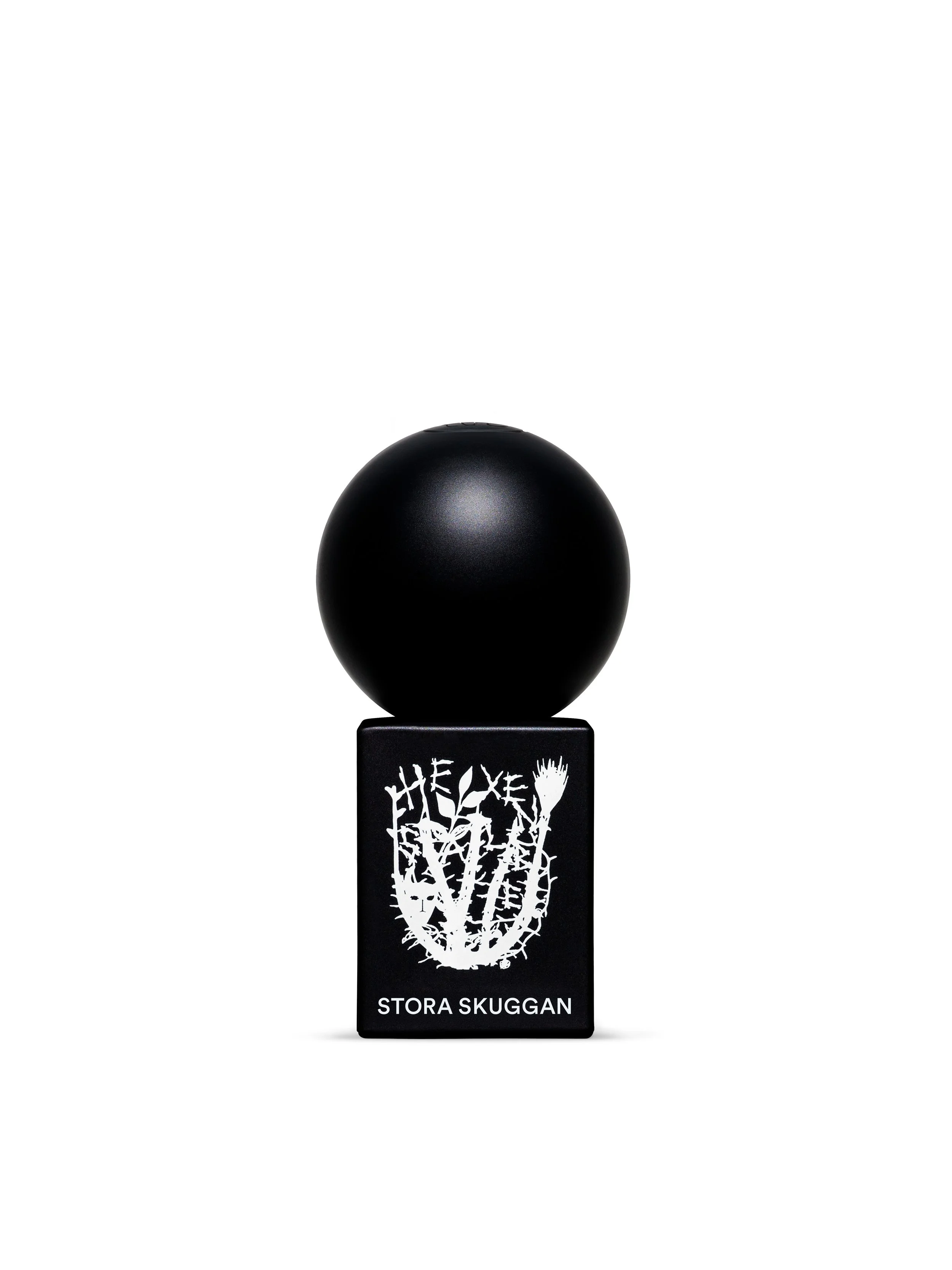
“In rifleing the closet of the ladie, they found a pipe of oyntement, wherewith she greased a staffe, upon which she ambled and galloped through thick and thin, when and in what manner she listed”
Proceedings Against Dame Alice Kyteler, Prosecuted for Sorcery, 1324
Hexensalbe, also known as witches’ flying ointment, was a hallucinogenic salve used in witchcraft in the middle ages. It was a mixture of extremely poisonous ingredients.
The drug produced an ecstatic trance with powerful sensations of flying, images of otherworldly creatures and a primal sexual hunger. These hallucinations are at the core of the mythology of witches, where they fly to the sabbath at Blåkulla or Brocken to do it with the devil and other witches in unholy rites.
So, the image of witches flying can be traced back to the use of hexensalbe, but why on a broomstick? The ointment was so poisonous that eating it would be directly fatal, instead it was applied to other soft membranes of the body, armpits and more commonly the genitals. Because of the erotic effects of the high, the salve would often be rubbed directly onto a phallic object like the end of a staff or a broomstick. And so, the witch did not ride the broomstick like we picture her today. She actually -really- rode it.
Given which aspects of the story of hexensalbe has survived into the modern image of witches, and what has been suppressed, it would seem that the one thing more terrifying than witches or devils, is female sexuality.
Enter the world of Stora Skuggan: a fragrant realm where shadow and light collide to reveal scents that linger like whispered secrets. Crafted for the bold and the curious, Stora Skuggan is more than a perfume it's an invitation to explore contrast: cool pine and warm amber, crisp bergamot and resinous oud, the hush of midnight air softened by a sunlit memory. Each facet unfolds deliberately, inviting you to discover hidden depths and unexpected brightness.
At Pocket O' Posies | Perfumerie, we celebrate niche daring. Stora Skuggan embodies that spirit an audacious composition designed to evolve on skin, shifting from brisk clarity to intoxicating mystery. Whether you wear it as a signature or a statement, Stora Skuggan transforms moments into stories, marking presence with refined complexity and unforgettable character.
Welcome to a scent that asks you to lean in. Explore Stora Skuggan where every note is an invitation, and every trail leaves an echo.